
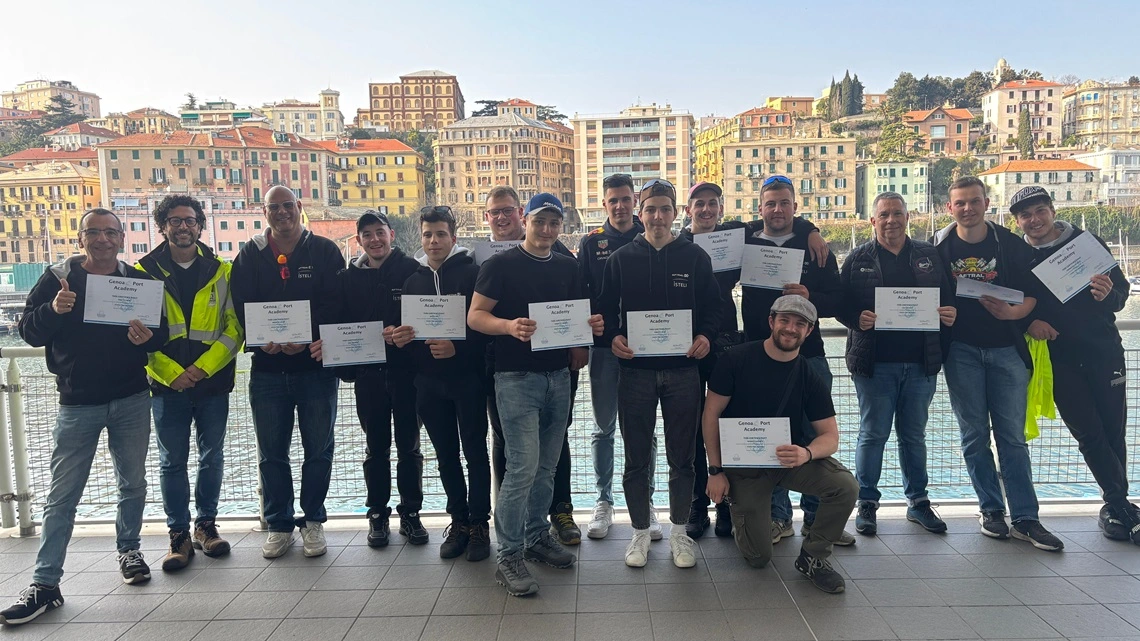
The French institute AFTRAL, one of Europe’s leading authorised training centres in the transport and logistics sector, chose the Ports of Genoa, Italy’s premier gateway port, as part of the students’ annual field trip, with on-site hands-on experience dedicated specifically to the governance and operation of one of the Mediterranean’s busiest maritime hubs.
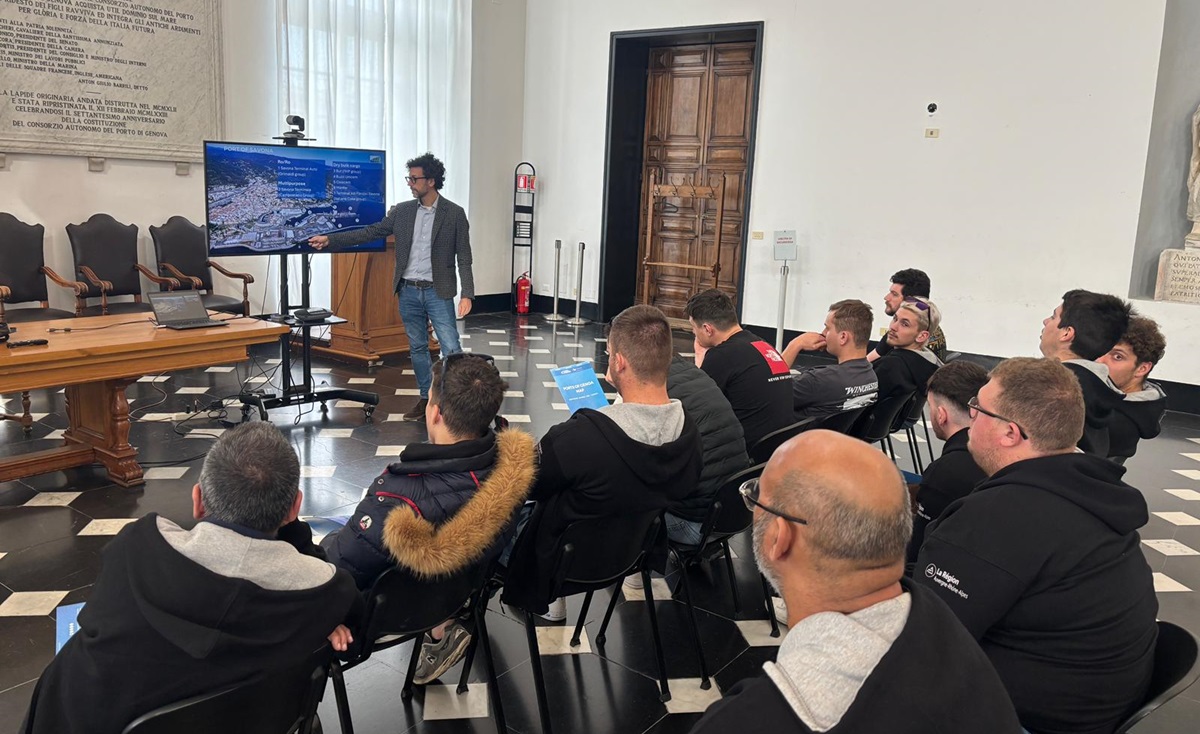
The initiative forms part of the “Genoa Port Academy” educational programme, promoted by the Western Ligurian Sea Port Authority in cooperation with Escola Europea–Intermodal Transport, and aims to engage students and future professionals with the complexities of the maritime supply chain industry through direct exposure to port activities.
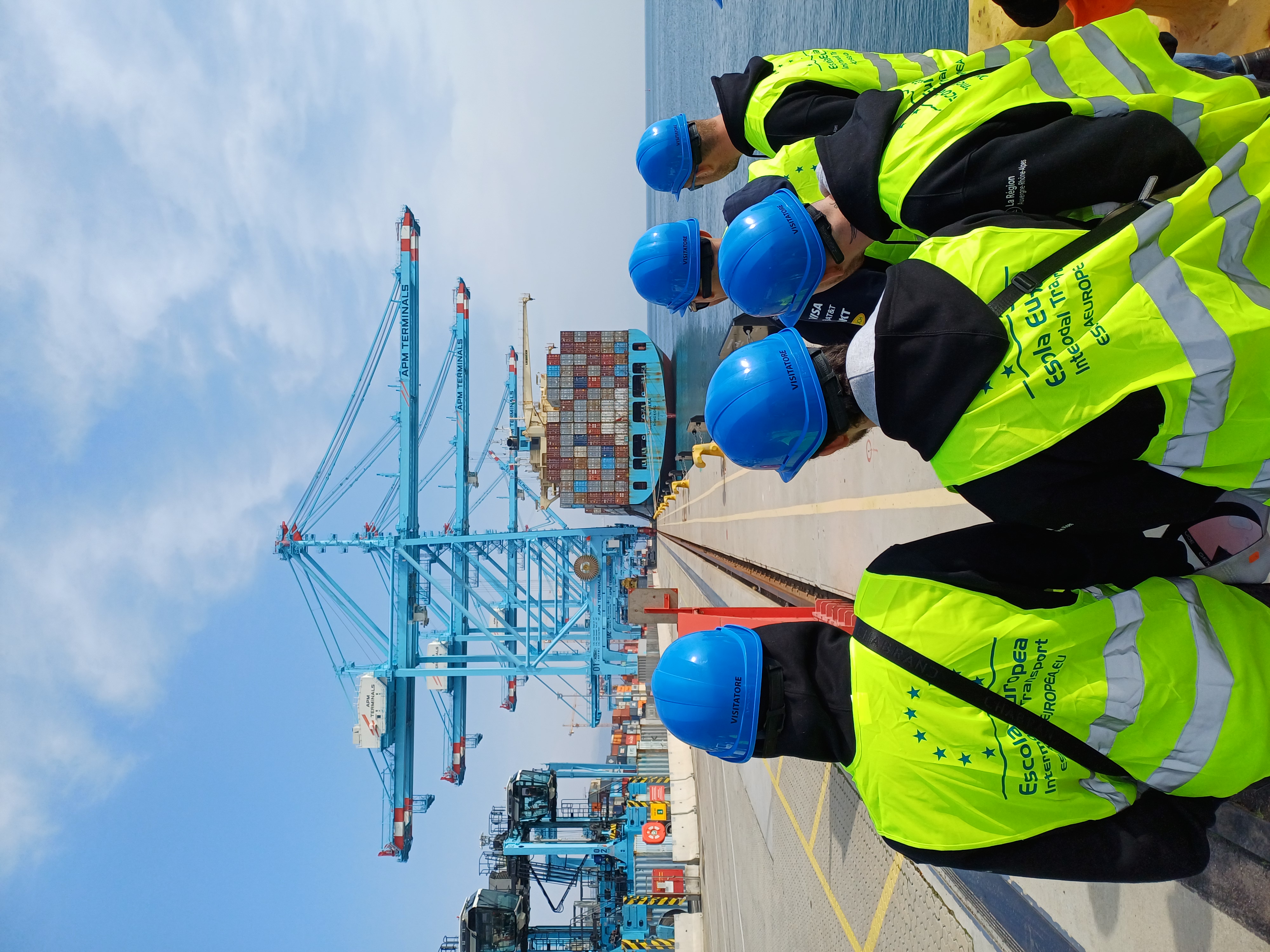
Over the course of two days, the group toured terminal operations across the Ports of Genoa, Savona and Vado Ligure, observing how the different commodity segments and diverse activities are managed within a modern port. In Vado Ligure, at Vado Gateway, students were introduced to one of the most technologically advanced deep-sea container terminals in the Mediterranean. The facility features a high degree of yard automation, including robotic vehicles and sophisticated digital systems, designed to optimise container handing times and stacking density, with operations manned remotely from the state-of-the art control room. The programme also included visits to Pacorini, a global leader in coffee logistics and Savona Auto Terminal, which operates a ro-ro facility equipped to handle vehicles, heavy machinery and project cargo. Whilst in Genoa the students inspected the multipurpose facilities, at Messina Terminal and Terminal San Giorgio, which can cater for a broad spectrum of cargo types, ranging from containers and ro-ro traffic to breakbulk and project cargo.
The study visit provided the group of young participants with valuable insight into how major ports adapt to the management of the diverse demands of the global logistics supply chain, and highlighted how infrastructure, technology and specialised professional expertise combine to ensure efficiency and competitiveness in international trade.